

Why You Should Always Choose Experts for Stone Repair

Stonework adds timeless beauty and durability to homes and buildings. Whether it is a traditional stone wall, a grand stone façade, or a classic architectural feature, stone plays a vital role in the visual and structural integrity of a property.
However, over time, even the strongest stonework will face wear and tear due to weather, pollution, moisture, and ageing. When the signs of damage begin to show, many property owners are tempted to go for cheaper or quick-fix solutions, but stone repair is not a task to take lightly.
It requires a deep understanding of materials, techniques, and the history of the structure itself. This is why it is always wise to trust experienced professionals (like us) for any kind of stone repair work.

Understanding the Value of Stone and Brickwork
Stone and brick are materials that can last for centuries if cared for properly. They offer not only visual charm but also strong resistance against environmental damage. However, once damaged or neglected, the repairs can become complex and, if done poorly, can lead to even greater structural problems.
Different types of stone, such as limestone, sandstone, granite, and slate, each require unique approaches during repair and restoration. The same goes for bricks, especially older ones used in period properties, which may no longer be in production and need careful matching.
Choosing the right materials, mortar, and method is not just about appearance. It’s about ensuring the longevity and safety of the building. This is why experienced hands make all the difference.
The Hidden Dangers of DIY and Unqualified Repairs
While minor cosmetic touch-ups may seem manageable, deeper repairs involving brickwork or stone should never be attempted without proper expertise. Some of the risks of DIY or non-specialist repairs include:
Using the wrong mortar mix, which can trap moisture and cause internal decay
Failing to match stone or brick types, leading to visual inconsistency and structural weakness
Improper stone cleaning techniques can erode the surface or damage the stone beneath
Inadequate knowledge of repointing, which can cause more harm than good if done incorrectly
These mistakes often lead to expensive corrections and may even cause irreversible damage to historical features or structural foundations.
What Makes Expert Stone Repair Different?
Professional stone repair is not just about fixing visible cracks. It is a detailed process that starts with assessment and finishes with careful restoration, ensuring the original character of the structure is preserved while strengthening it for future use.
Here is what experts bring to the table:
1. Skilled Assessment
Experts know how to examine the condition of stone and brick thoroughly. They look beyond surface damage to detect signs of water ingress, frost damage, crumbling mortar, and previous poor repairs. Their eye for detail ensures that no issue goes unnoticed.
2. Material Matching and Sourcing
Stone repair specialists are trained to identify the exact type of stone or brick and source the best match, whether it’s for a listed building, a Victorian terrace, or a modern façade. This maintains the original appearance and ensures compatibility.
3. Use of Specialist Techniques
From careful hand-tooling for delicate areas to advanced methods like DOFF cleaning for removing grime and pollution, professionals use the most suitable tools and methods for each job. They avoid harsh chemicals that could potentially damage your property.
4. Heritage-Safe Practices
For older properties or listed buildings, experts understand the importance of heritage preservation. They use lime mortars, traditional pointing methods, and historically accurate repair techniques that respect the building's age and structure.
5. Long-Term Solutions
Rather than offering a patch-up job, specialists look at the root cause of the damage. Their solutions focus on preventing future issues by addressing moisture problems, environmental exposure, and general wear. This saves money over time and gives peace of mind.
Why Stone Repairs Are About More Than Just Looks
While appearance is a big factor, stone repair also impacts the structural integrity of a building. Damaged pointing can let in rainwater, which could freeze and expand, leading to crumbling mortar and movement in the walls.
Failing stone can weaken the outer layers, inviting moss, mould, and even pests.
Regular maintenance and timely expert repair work not only keep the building.
Looking attractive but also protecting its overall value and safety. For homeowners or property managers, investing in skilled repair services is a vital part of property upkeep.
The Role of Cleaning in Stone Restoration
Cleaning plays a major part in the overall process. Over time, dirt, moss, and pollutants can dull stonework and hide the signs of damage. However, not all cleaning methods are safe.
High-pressure washing or chemical cleaners can permanently damage delicate stone or force water into joints. That’s why professionals often use methods like DOFF steam cleaning, which safely removes buildup without harming the surface.
Cleaning also helps to reveal the real condition of the material, allowing for a more accurate repair plan.
Repointing and Mortar Matters
Repointing is the process of renewing the outer part of the mortar joints. When done by an expert, it ensures structural strength and weather protection. Skilled professionals use tools and materials that match the existing mortar, both in appearance and performance.
Incorrect repointing, such as using modern cement-based mortars on older stone, can trap moisture inside the wall, causing internal decay and surface cracking.
Experts understand which materials to use based on the age and condition of the property, and their work can often extend the life of the brick or stonework by decades.
Local Experience and Area Knowledge
Another reason to hire local experts is their familiarity with the buildings and materials common in the area. In a city like London, there is a wide variety of property types: Georgian, Victorian, Edwardian, and modern. Each one has its challenges.
Professionals who have worked across London and the surrounding areas know what issues are most common in different neighbourhoods. Whether it’s pollution buildup in central areas or weather damage in more exposed spots, their experience makes them more efficient and effective.
Professional Painting and Finishing Services
Stone and brick restoration often includes finishing touches like lime washing or breathable painting for exterior surfaces. Professional services ensure the right type of breathable coating is used, which allows moisture to escape and avoids peeling or flaking.
Painting or finishing the stone without understanding the breathability of the surface can cause long-term harm. A well-trained expert will always test and treat the surface properly before applying finishes.
Trust and Transparency Matter
Another benefit of hiring specialists is the level of trust and transparency they provide. From initial inspections to final finishing, good contractors keep clients informed. They provide clear quotations, realistic timelines, and updates along the way.
Their reputation depends on the quality of their work and the satisfaction of their clients, so you can expect a higher level of care and accountability from them compared to general handymen or builders.
When to Call a Stone Repair Expert
If you notice any of the following, it may be time to contact a professional:
Cracks or gaps in the mortar
Discoloured or crumbling bricks
Moss, algae, or black stains on stonework
Loose or spalling stone faces
Water patches or internal damp
Paint peeling on external brick or stone.
Ignoring these signs can lead to bigger problems and higher repair costs in the future. Acting early always pays off.
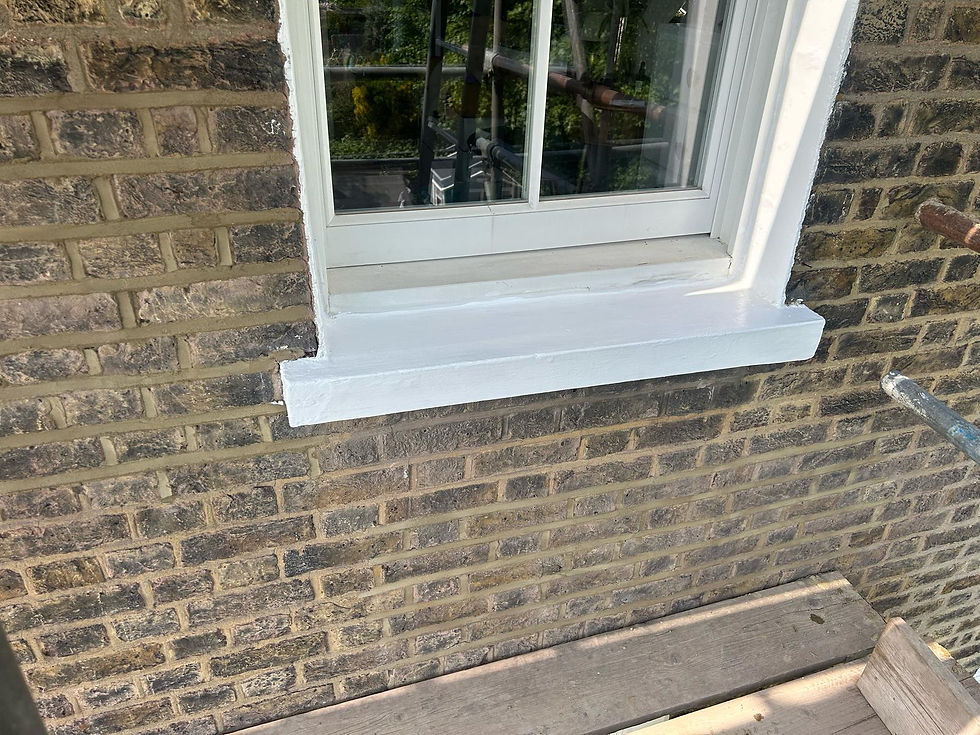
Choose Expert Care for Your Stone and Brickwork
When it comes to preserving the quality and safety of your property, expert stone repair is essential. From assessment to cleaning, repointing, and final finishing, professionals offer a level of knowledge, skill, and care that guarantees long-term results.
Avoid shortcuts. Avoid DIY disasters. Trust those who understand every detail of your property’s stone and brickwork.
If your home or building in London is showing signs of stone damage, poor pointing, or brickwork issues, now is the right time to act.
Contact London Stone Restoration today to arrange a consultation with our experienced team of stone and brick repair specialists. We proudly serve all areas across London and are here to help restore your property with care and precision.
Frequently Asked Questions
How do you repair damaged stonework?
We restore damaged stonework using the following methods, depending on the extent of the damage:
Complete replacement: We remove severely damaged stones and replace them with new, matching pieces.
Indenting or piecing in: Here we cut out the damaged portion of a stone, and a new piece is precisely fitted in its place.
Plastic repairs: For small chips or cracks, we fill them with special composite materials designed to mimic the original stone.
Re-dressing: We address surface damage by carefully smoothing or reshaping the stone to its original profile.
Specialised treatments and cleaning: For surface stains, weathering, or restoration needs, we use specialised treatments and cleaning.
What types of damage affect stonework?
Common types of damage include:
Cracking: Caused by moisture absorption; when that moisture freezes and expands, it leads to cracks in the stone or surrounding mortar.
Frost damage: More likely in damp areas exposed to freezing temperatures, causing pieces of stone to break away
Salt crystallisation: Vertical bedding or exposure to salts can damage the stone
Impact damage: Dropped objects or improper installation can chip or fracture stone
Metal corrosion: Rusting iron fixings can expand, cracking the stone from within
How durable is a stone wall?
A well-constructed stone wall is extremely durable and inherently strong. It is resistant to weathering, erosion, and significant external forces, making it long-lasting with only minimal maintenance required over time.
How do you clean internal stonework?
We use the following cleaning methods based on the stone type:
Physical cleaning: This involves gently rubbing or brushing the stone, sometimes with wet or dry abrasives.
Water techniques: Here, we use sponging, spraying, or steam cleaning to loosen surface dirt.
Chemical cleaning: For some stone surfaces, we use organic solvents or mild acidic/alkaline treatments.
Advanced methods: Laser cleaning or ultrasonic tools are often used for sensitive or intricate surfaces.
How do you clean historic stone?
We use mild detergent or specialised stone cleaners that are safe for historic materials. Our team avoids harsh chemicals and abrasive tools; instead, we use soft brushes to gently remove dirt and grime without scratching or etching the stone.
Does stonework need maintenance?
Yes, regular maintenance is crucial to preserve both the beauty and structure of stonework. This includes:
Cleaning using a soft brush and mild detergent to remove dirt and debris
Regular inspection for cracks, loose stones, or signs of water damage
Prompt repairs for minor issues to prevent them from becoming larger problems
Depending on the stone type and use, applying a suitable sealer to protect it from moisture and staining

Comments